
Purple olives, the traditional choice
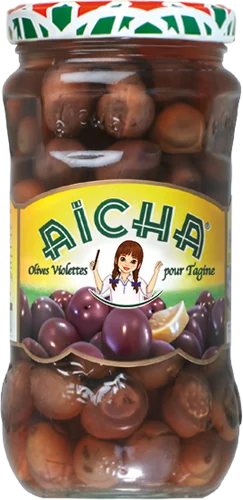
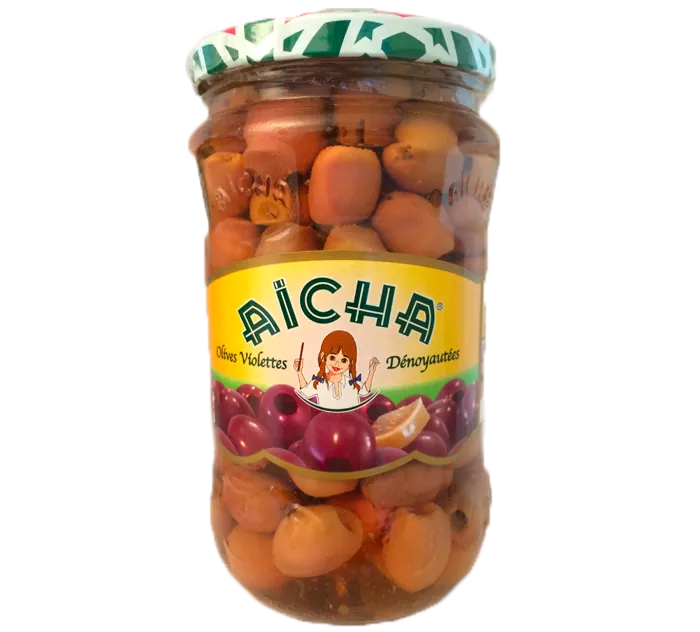
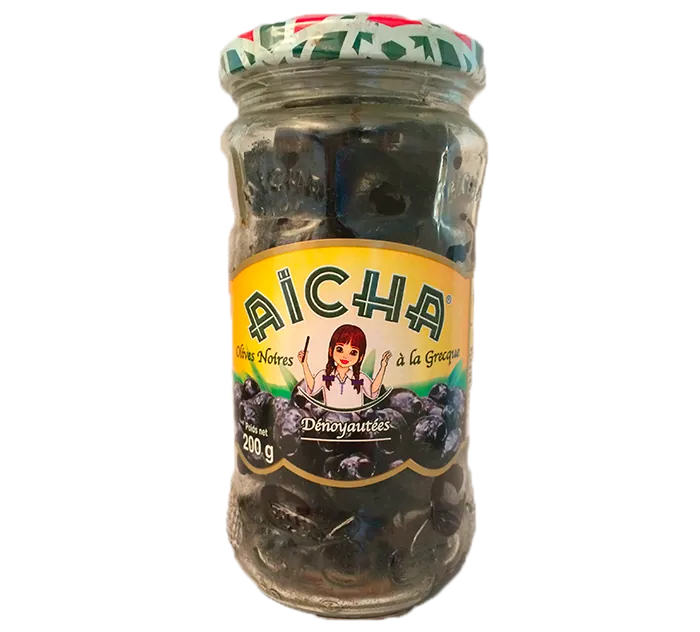
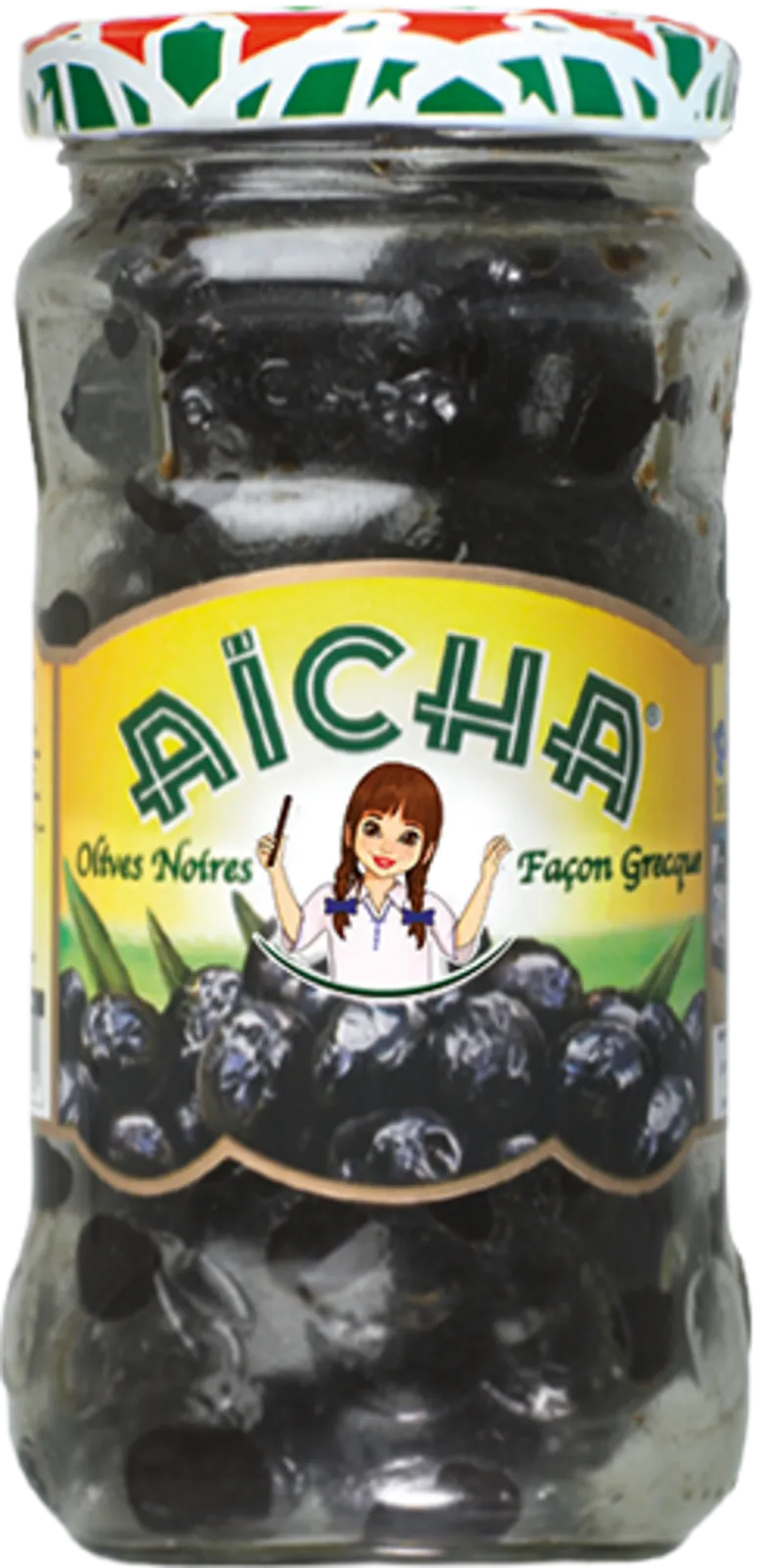
Harvested half-ripe, as they turn from green to purple, these olives have firm flesh and a mild, barely bitter taste. They hold their shape during cooking and give the sauce a lovely colour. Our purple olives for tagines are prepared specifically for this use; they also come pitted.
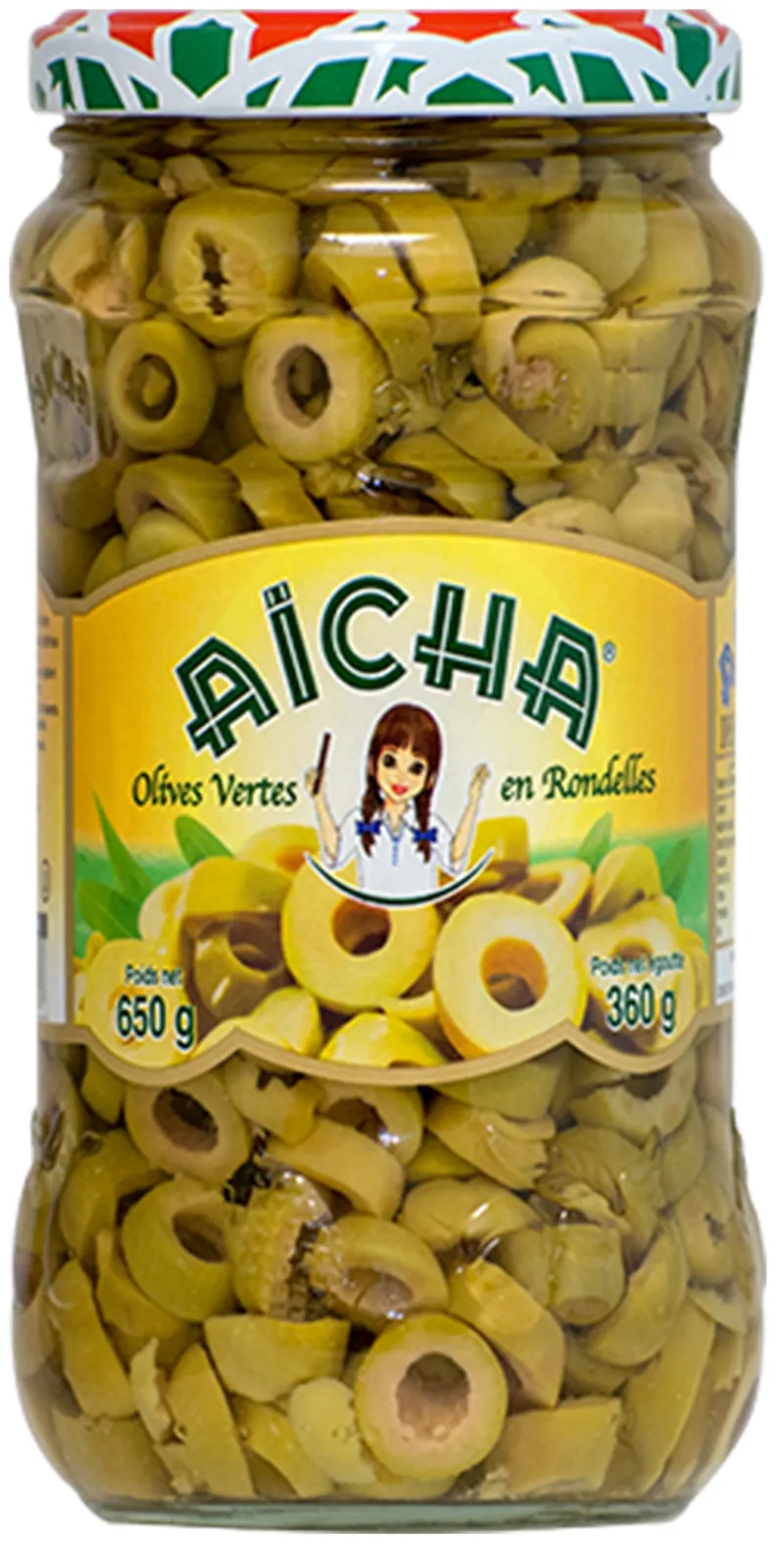
Green olives, for more character
Green olives bring a brighter note. Choose them whole for a nicer presentation, or pitted for your guests’ comfort.
Cracked olives, for a fragrant sauce
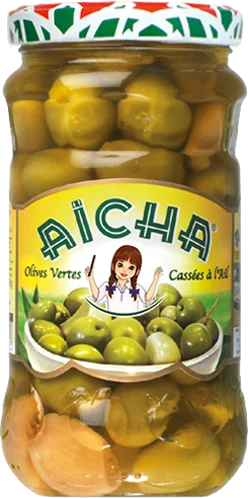
Split before marinating, cracked olives soak up more of the sauce and flavour it in return. The garlic and herb versions suit lamb tagines well. Learn more: what are cracked olives?
Our tips
- Rinse the olives and blanch them for 2 minutes if you find them too salty.
- Add them during the last 10 to 15 minutes of cooking, together with the preserved lemon.
- Allow about 150 g of drained olives for a tagine serving 4 to 6.
Updated 11 November 2026 by the COPRAM team